
Private Lending insurance
Insurance for private lenders, from closing through payoff.
A borrower’s policy lapses. A property goes vacant. A loan pays off, but the insurance bill keeps coming. We help you work through the insurance issues that follow a real estate loan.
For private real estate lenders, hard-money lenders, note and non-performing loan (NPL) buyers, and the teams that service their loans.
Your team
A direct line to your risk advisors.
Built around your loan portfolio
One team to help connect the pieces.

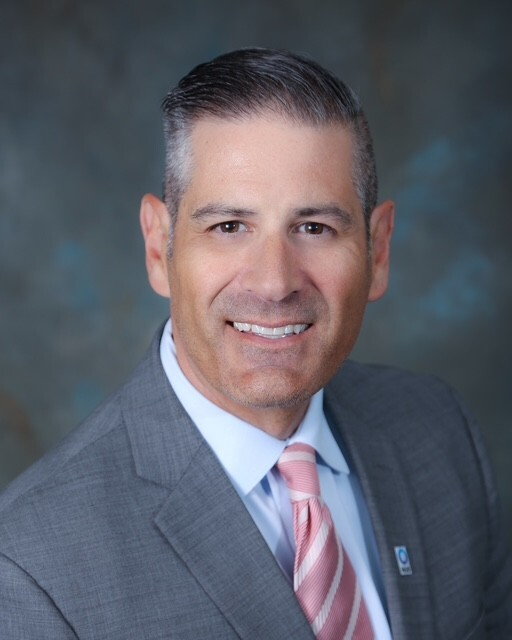
Insurance work can fall between your servicing team, the borrower’s agent, and outside providers. Todd Shaner and Derek Heys help you understand who is responsible, where coverage needs attention, and which insurance options fit your loan portfolio.
We start before you fund or buy a loan and cover the insurance questions through payoff, whether you make bridge, fix-and-flip, ground-up construction, or DSCR rental loans. Then we help coordinate specialist insurance options with coverage for your own business.
How we help
Protect the property behind the loan. Reduce the work around it.
We help you assess the gaps, compare insurance options, and agree on who handles the follow-through.
Before you fund or buy a loan
Insurance is part of your diligence. We help you set what a borrower’s policy has to show before you fund, starting with the mortgagee clause and limits based on the cost to rebuild. The policy also has to fit the loan: builder’s risk on ground-up, vacant or rehab cover on a flip, and rent loss on a DSCR rental. Buying loans? Before you lean on the seller’s reps, we check whether the policies are in force and still name the seller.
When borrower coverage falls short
Review how you find out a policy lapsed, then compare lender-placed (force-placed) options for hazard and flood. A master policy can cover a lapsed property on a structure that leaves each placement decision with you. Mortgage impairment is a separate backstop for certain uninsured collateral losses.
When a property changes
Vacancy, renovation, an extension on a construction loan, default, and foreclosure all change the insurance questions. We help assess coverage for those situations, including real estate owned (REO): properties you take back through foreclosure or a deed-in-lieu.
When there’s a loss
A claim on your collateral is when the insurance has to work. We help you protect your interest as the mortgagee: who the claim check is made out to, what the policy owes, and when to release repair money.
When the loan pays off
Review how loan status reaches your insurance providers, how cancellations are requested, and how charges are reconciled. The aim is billing that ties out by loan number, with coverage coming off at payoff.
For the lending business itself
Review E&O, D&O, cyber, and crime coverage alongside your property-related insurance, plus your own property, general liability, and workers’ comp. If you run a fund, that includes coverage for the GP and the fund. Investors and warehouse lenders will usually look at both sides in their diligence: the collateral and the business.
Where we start
Start with the insurance problems taking up your team’s time.
The fastest way in is a lapse and billing checkup. Send your loan tape, or a sample of it, with property addresses, plus the dec pages, certificates, and force-placed invoices you have.
We check each loan for uninsured days, loans paid off but still billed, and loans nothing is watching. On loans you bought, we also check whether the policy still names the seller. You get a loan-by-loan readout of what we find. The checkup costs nothing, and the readout is yours to keep whether or not you work with us.
Get the lapse and billing checkupCommon questions
Private lender insurance, explained.
What insurance does a private real estate lender need?
Private lenders need to consider both the properties securing their loans and the lending business itself. Depending on the portfolio, that may include lender-placed hazard and flood, REO insurance, mortgage impairment, E&O, D&O, cyber, and crime coverage. We also help assess whether borrower policies fit the loans, such as builder’s risk for construction or a landlord policy with rent loss.
What is lender-placed insurance?
Lender-placed insurance, also called force-placed insurance, is coverage a lender arranges when a borrower has not maintained adequate required insurance. It protects the lender’s interest under the policy terms. Placement depends on the loan agreement, required notices, and the coverage arrangement.
Can you help with vacant, renovation, or foreclosed properties?
Yes. We help assess insurance options for vacant properties, rehab and construction projects, and properties acquired through foreclosure. Coverage needs to reflect the property’s actual use and condition; availability and terms vary by insurer.
Can you help with insurance diligence before we fund or buy a loan?
Yes. We help you set what a borrower’s policy has to show at closing, then check a sample of your loans against it. On loans you’re buying, we check whether the policies are in force, fit the property, and still name the seller, so you aren’t relying on the seller’s reps alone. If a warehouse lender, investor, or loan buyer asks how your collateral is insured, the same review gives you a loan-by-loan answer.
Do we need to replace our servicer or require borrowers to use Arvor?
No. We start by reviewing your existing insurance and servicing arrangements. Borrowers can continue using their own insurance providers when coverage meets your requirements. Any new services or coverage changes are agreed with you before they begin.
Who should I contact about private lender insurance?
Contact Todd Shaner at t.shaner@arvorinsurance.com or Derek Heys at d.heys@arvorinsurance.com. They are Arvor’s risk advisors focused on private lending.
Let’s talk about your business.
Connect with Todd Shaner or Derek Heys to discuss your current coverage and what you need from your broker.
Coverage and services depend on your operations, agreed scope, insurer underwriting, and policy terms. See our coverage disclosures.